

How the 2026 Tucson Hybrid Handles Heavy Wet Snow in Nova Scotia
December 26 2025,
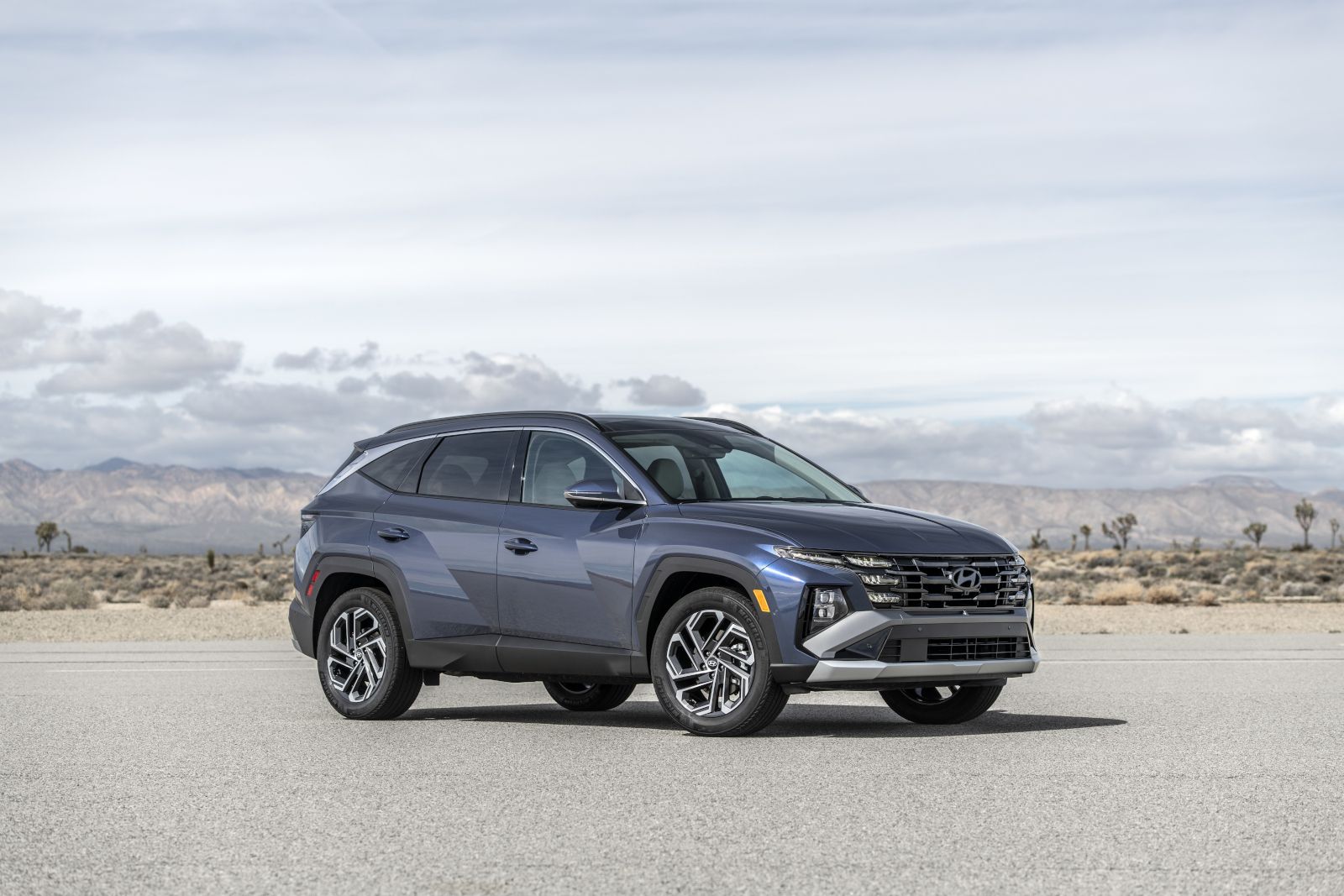
Driving through Nova Scotia's unpredictable winter conditions—particularly the heavy, wet snow that blankets highways from New Glasgow to Cape Breton—requires a vehicle that can adapt instantly to shifting traction. The 2026 Hyundai Tucson Hybrid delivers that adaptability through its HTRAC All-Wheel Drive system, which continuously monitors wheel speed, steering angle, and throttle input to predict traction requirements before wheels begin to slip.
The Tucson Hybrid's electric motor integration allows for instantaneous torque distribution adjustments. The system can anticipate loss of grip and respond before the driver even feels it, making it effective in the slushy, transitional conditions common along Route 104 or during sudden coastal weather shifts.
HTRAC AWD with Hybrid Electric Torque Control
The 2026 Tucson Hybrid pairs its 1.6 L turbo engine (producing 178 hp and 195 lb-ft of torque) with a 64 hp electric motor, delivering a combined 231 hp and 271 lb-ft of torque. This dual-power setup feeds into a 6-speed hybrid automatic transmission with SHIFTRONIC and paddle shifters.
The electric motor's instant torque delivery works with HTRAC AWD to eliminate the lag inherent in traditional gas-only systems. Conventional AWD must wait for the engine to spool up before redirecting power to slipping wheels. The Tucson Hybrid's electric motor eliminates that delay, sending power to the rear axle within milliseconds. This is critical when accelerating from a stop at a snow-covered intersection or merging onto the Trans-Canada Highway during a squall.
HTRAC's active torque control continuously monitors driving conditions and adjusts power distribution in real time. In Snow mode—one of three selectable terrain settings—the system prioritizes smooth, progressive power delivery to prevent wheel spin. The result is confident acceleration on uphill grades and stable cornering on snow-packed roads.
Drivers can use paddle shifters for manual gear selection when navigating steep or slippery terrain, providing additional control over engine braking and power delivery.
Multi-Link Rear Suspension and Stability Control
The Tucson Hybrid's MacPherson strut front suspension and multi-link rear suspension work together to maintain tyre contact with the road, even when surface conditions change abruptly. Multi-link designs allow each rear wheel to move independently, which helps the vehicle absorb impacts from potholes or uneven snow without destabilizing the entire chassis.
This suspension geometry pairs with Electronic Stability Control (ESC), Traction Control System (TCS), and Vehicle Stability Management (VSM) to correct oversteer or understeer before it becomes a problem. If the system detects a wheel losing grip mid-corner, it can apply individual brake pressure to that wheel while simultaneously adjusting torque distribution through HTRAC. The driver experiences this as a subtle correction that keeps the vehicle tracking straight.
Trailer Sway Assist is also standard, using the same brake-based intervention to counteract fishtailing when towing in crosswinds or slippery conditions. For drivers hauling trailers up to 907 kg (2,000 lbs) through winter weather, this feature adds an extra layer of control.
Regenerative Braking and Weight Distribution
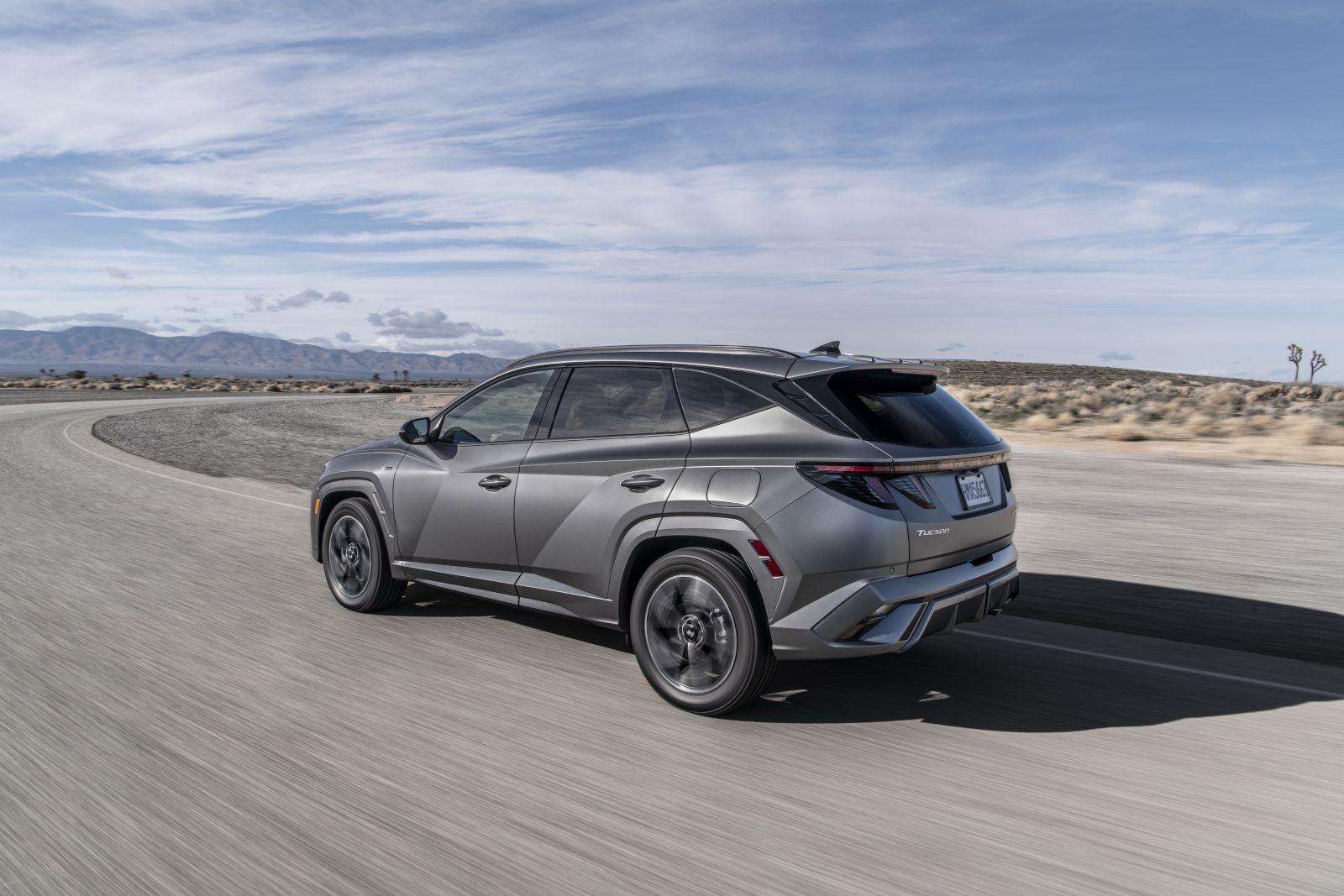
Hybrid vehicles carry additional weight from their battery packs—the Tucson Hybrid's 1.49 kWh lithium-ion battery adds approximately 175 kg compared to the gas-only model. That weight sits low in the chassis, lowering the centre of gravity and improving stability during sudden lane changes or emergency manoeuvres.
Regenerative braking captures energy during deceleration and feeds it back into the battery. When the driver lifts off the accelerator, the electric motor acts as a generator, slowing the vehicle without engaging the friction brakes. This reduces the risk of wheel lockup on ice and provides smoother, more predictable deceleration—especially useful when approaching stop signs on slick roads.
This system is particularly valuable when navigating the hilly terrain around Antigonish or descending into river valleys where black ice can form unexpectedly.
Real-World Performance in Maritime Conditions
Nova Scotia's winter weather is variable. A clear morning can turn into a whiteout by noon, with temperatures hovering around freezing and precipitation alternating between rain, sleet, and heavy wet snow. These conditions create the most challenging driving scenarios: slushy surfaces that freeze into ice, snow that compacts into ruts, and sudden transitions from bare pavement to deep accumulation.
The Tucson Hybrid's fuel economy—rated at 6.7 L/100 km combined—means fewer fuel stops during long winter drives. With a 52 L fuel tank, drivers can expect a range of approximately 775 km, reducing the need to refuel in remote areas where gas stations may be sparse or closed during severe weather.
Key Winter Capability Highlights:
- HTRAC AWD with active torque distribution and electric motor integration
- Multi-terrain modes (Snow, Mud, Sand) for optimized traction control
- 231 hp combined output with instant electric torque delivery
- Multi-link rear suspension for independent wheel movement and improved stability
- Regenerative braking for controlled deceleration on ice
Your Next Winter-Ready SUV Arrived in New Glasgow
The 2026 Hyundai Tucson Hybrid arrived in fall 2025 at Central Nova Hyundai in New Glasgow, Nova Scotia. Our team can walk you through HTRAC's terrain modes, demonstrate manual gear selection with paddle shifters, and explain how hybrid torque delivery improves winter traction. Test drive the Tucson Hybrid today—because Nova Scotia winters demand more than just AWD.